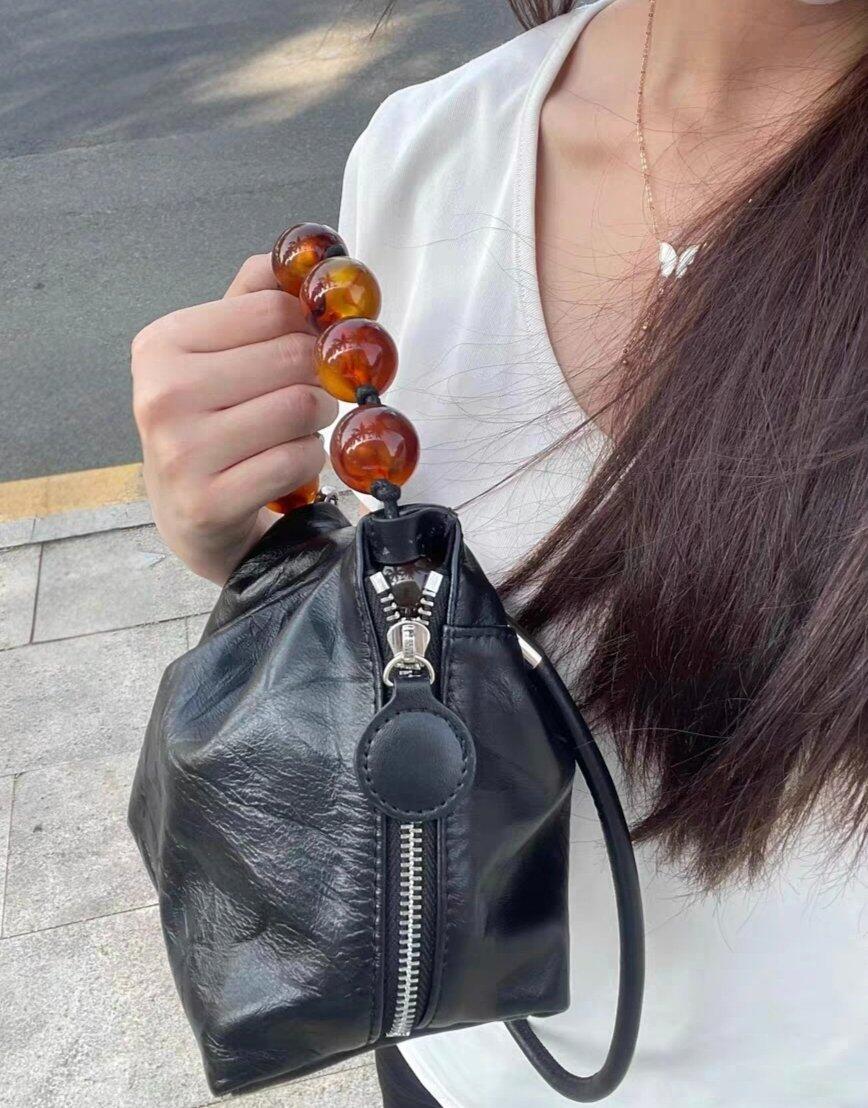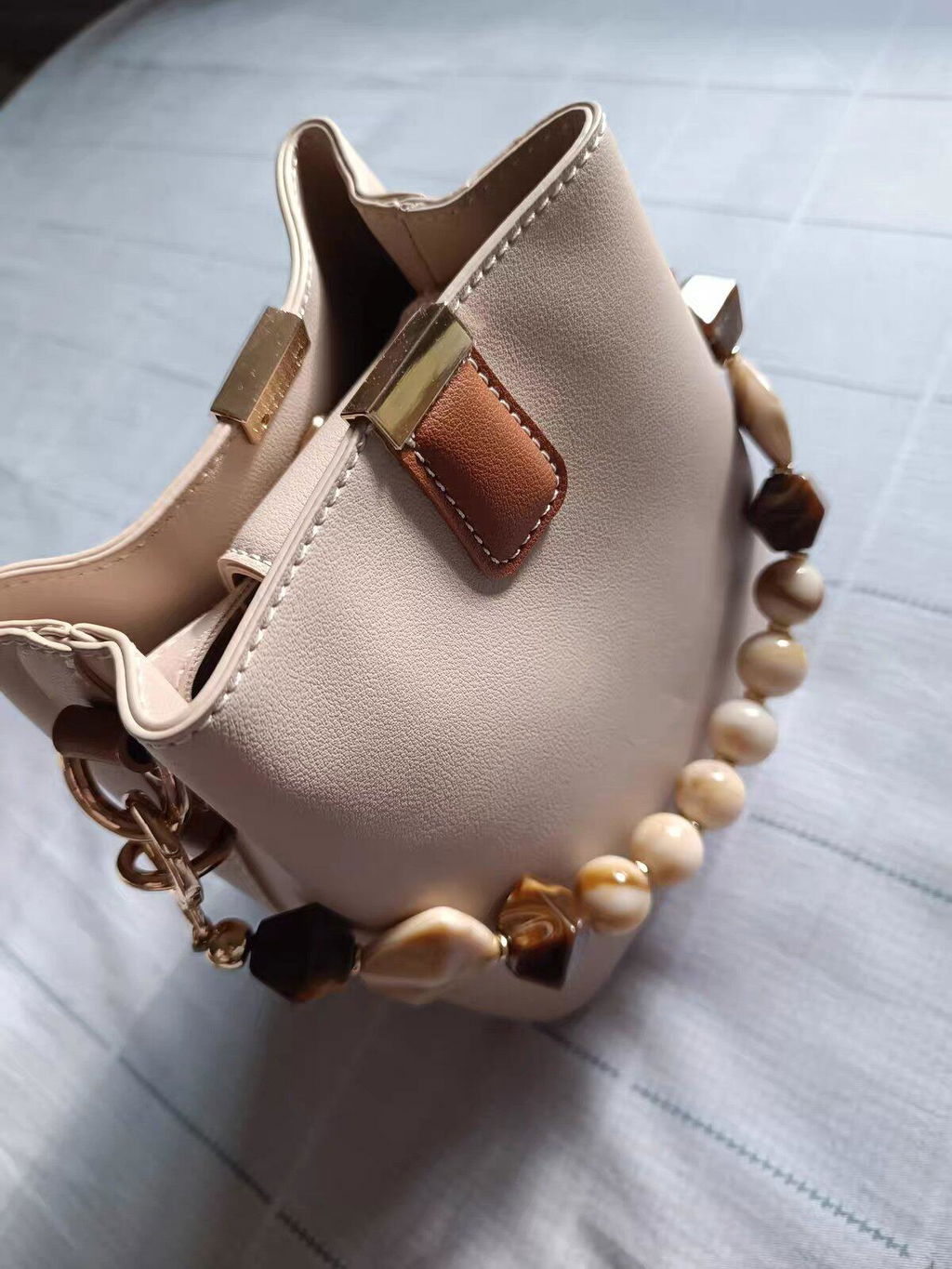


You'll regret it if you don't know! What is the truth about "genuine leather" that is hard to distinguish even with a fivefold price difference?
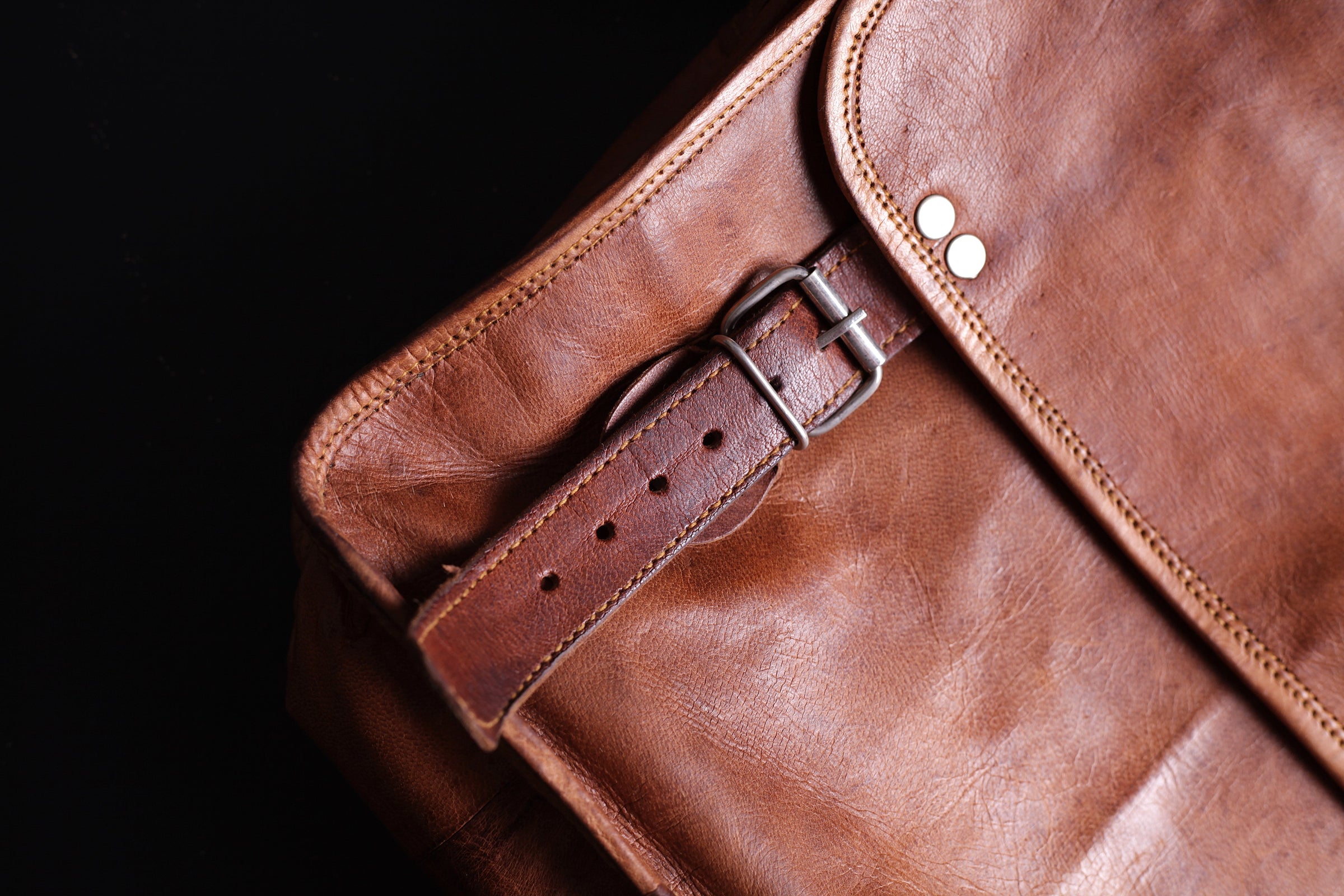
1. Why is there a large price difference for "genuine leather" even though it's difficult to distinguish?
We, too, are always thinking about how we can make our everyday lives more vibrant, and this product was created in pursuit of that goal.
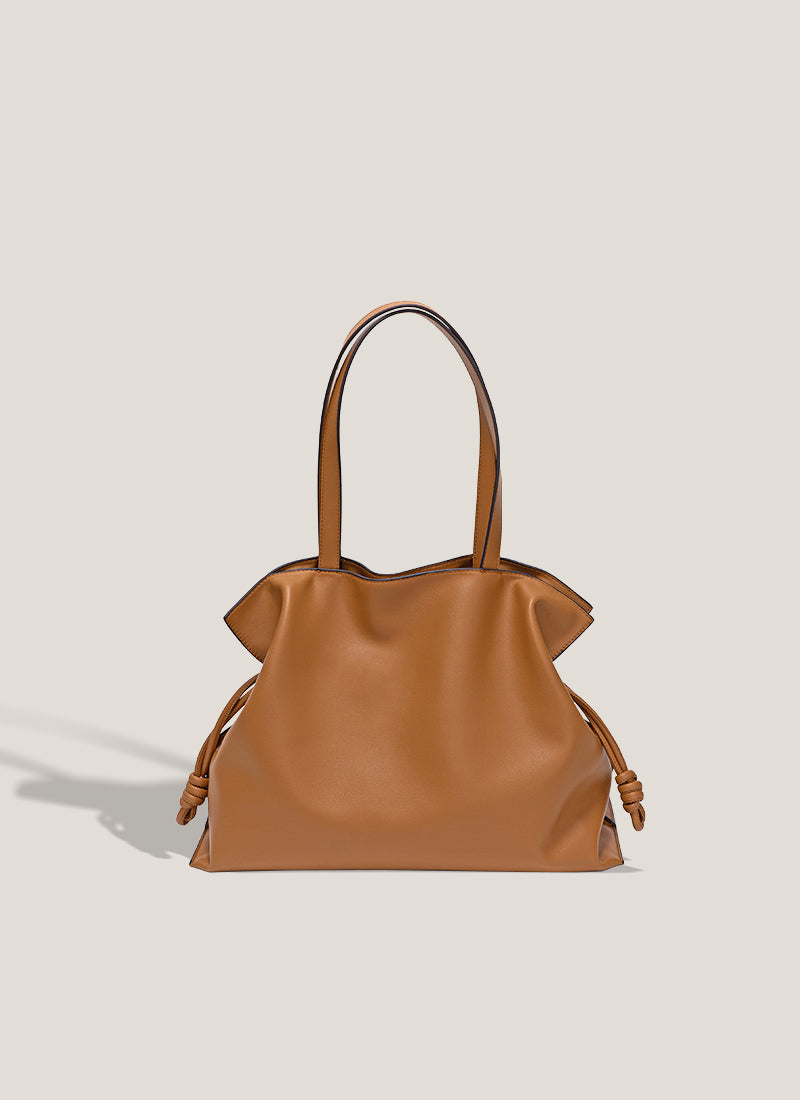

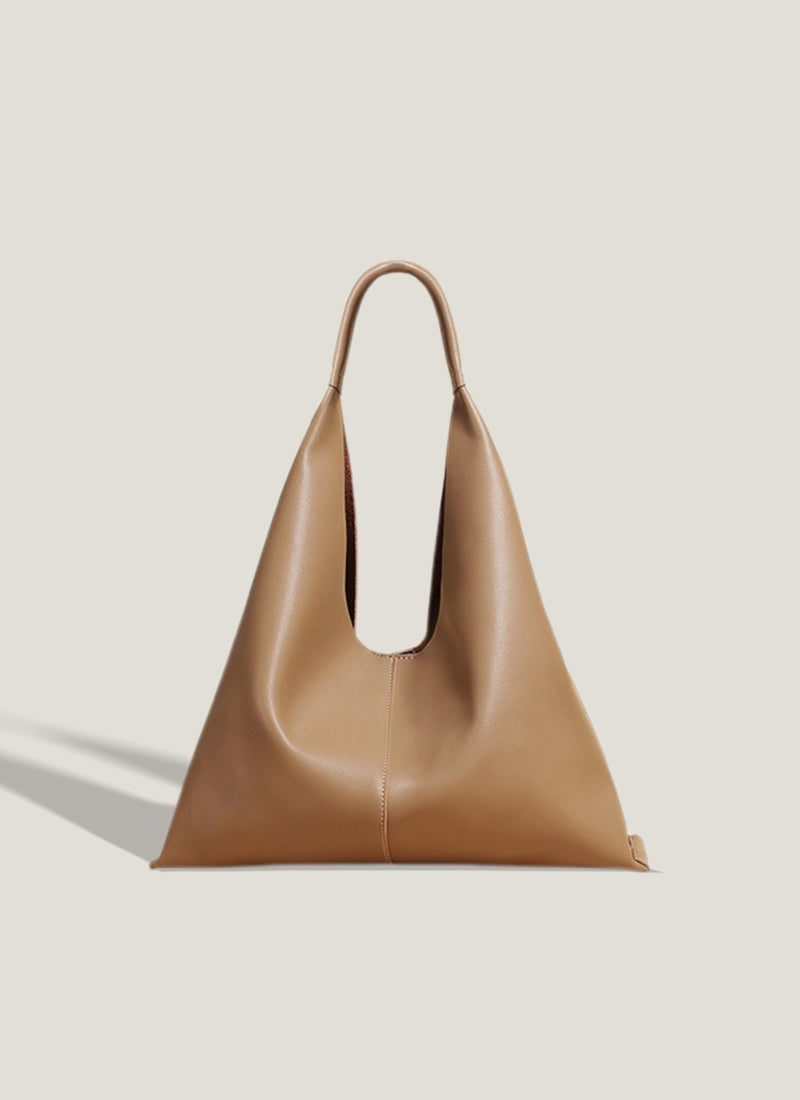
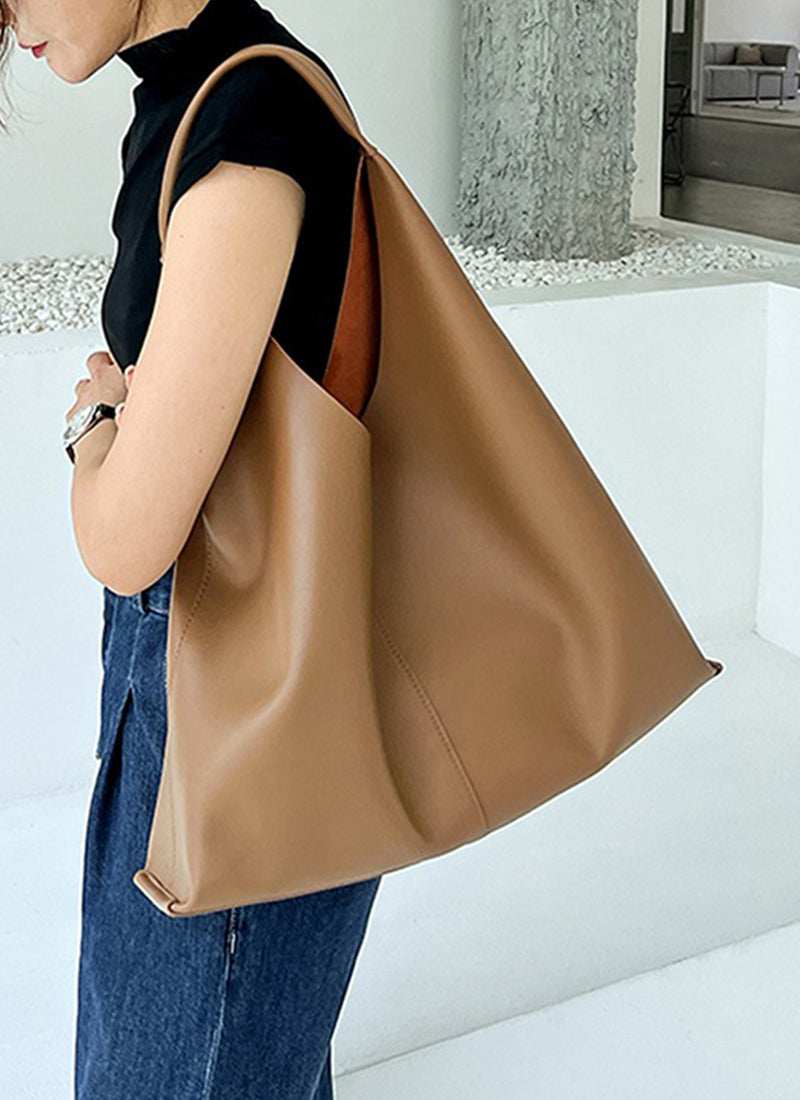
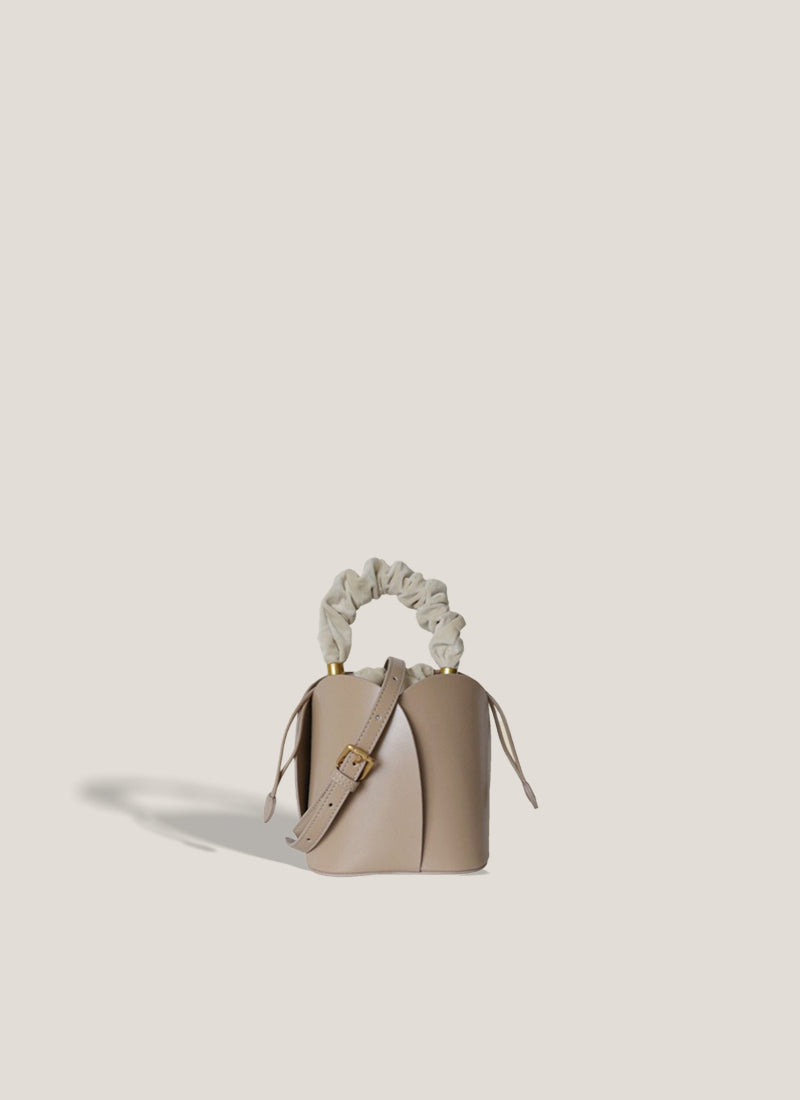

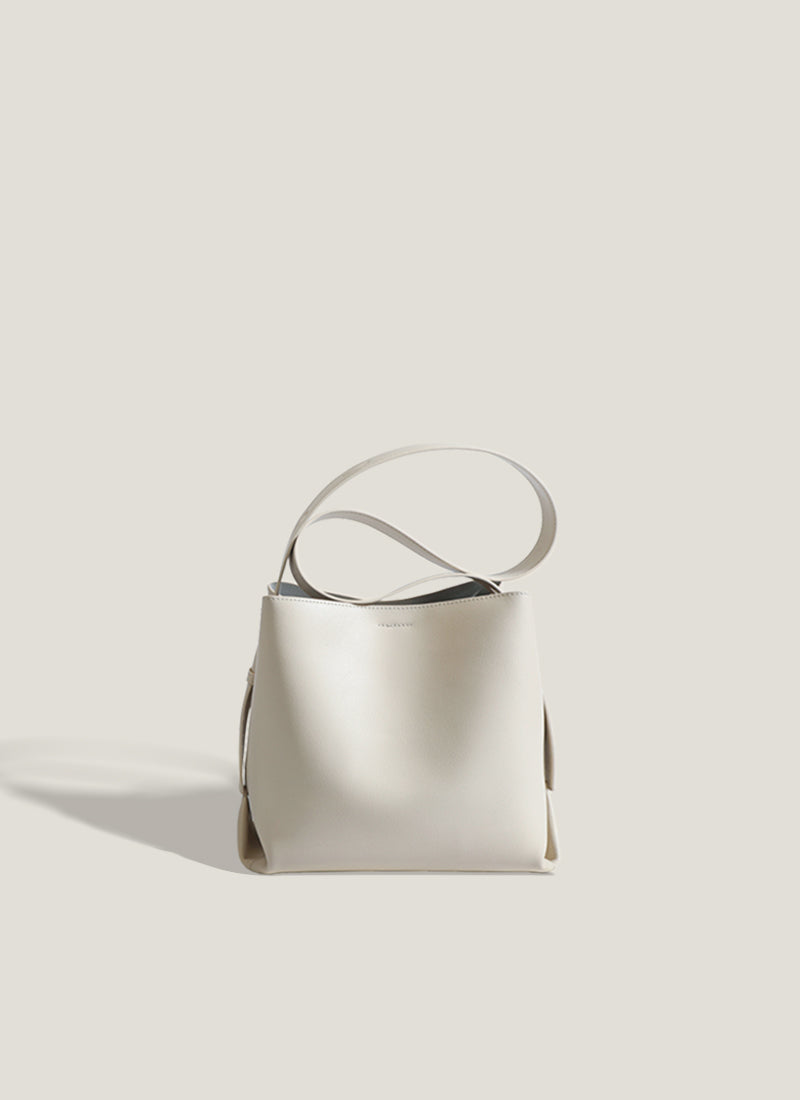
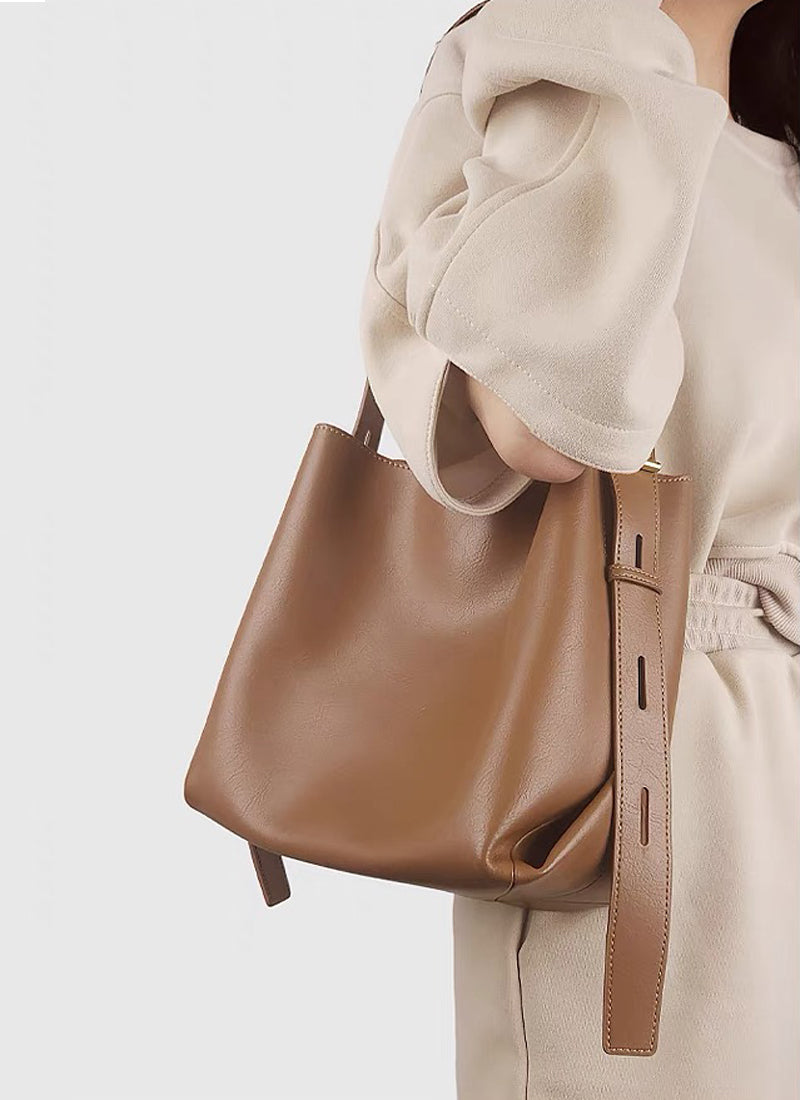
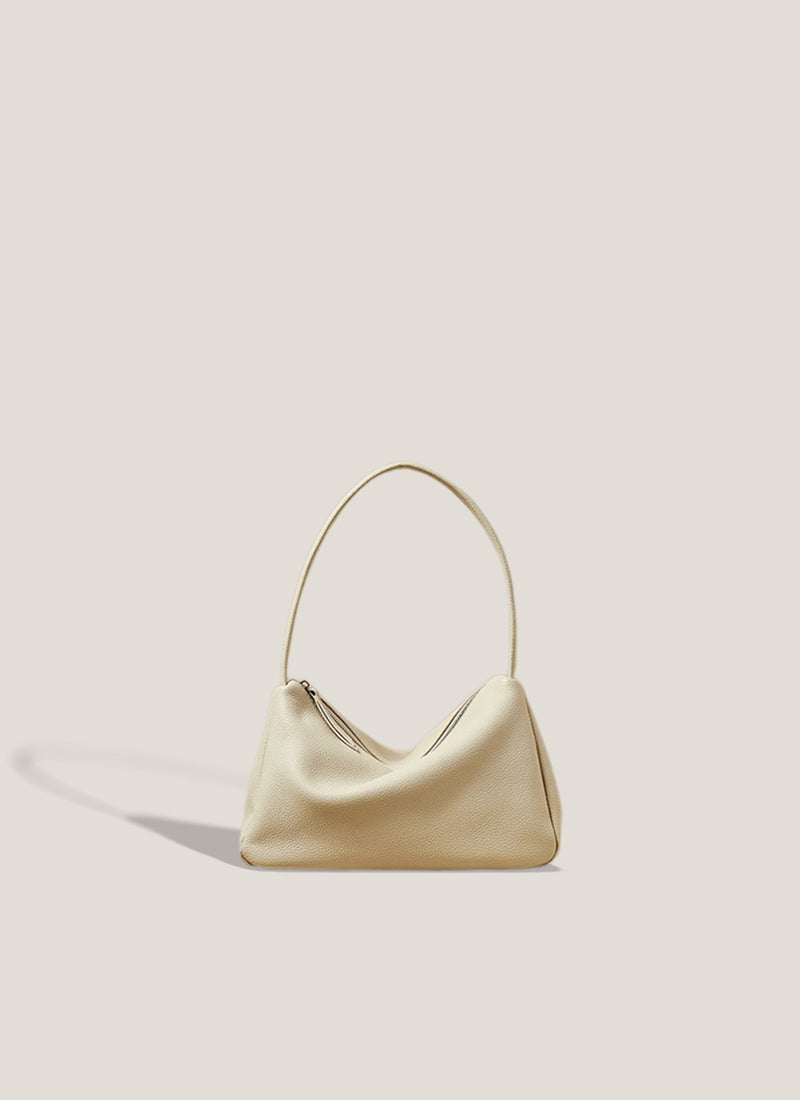

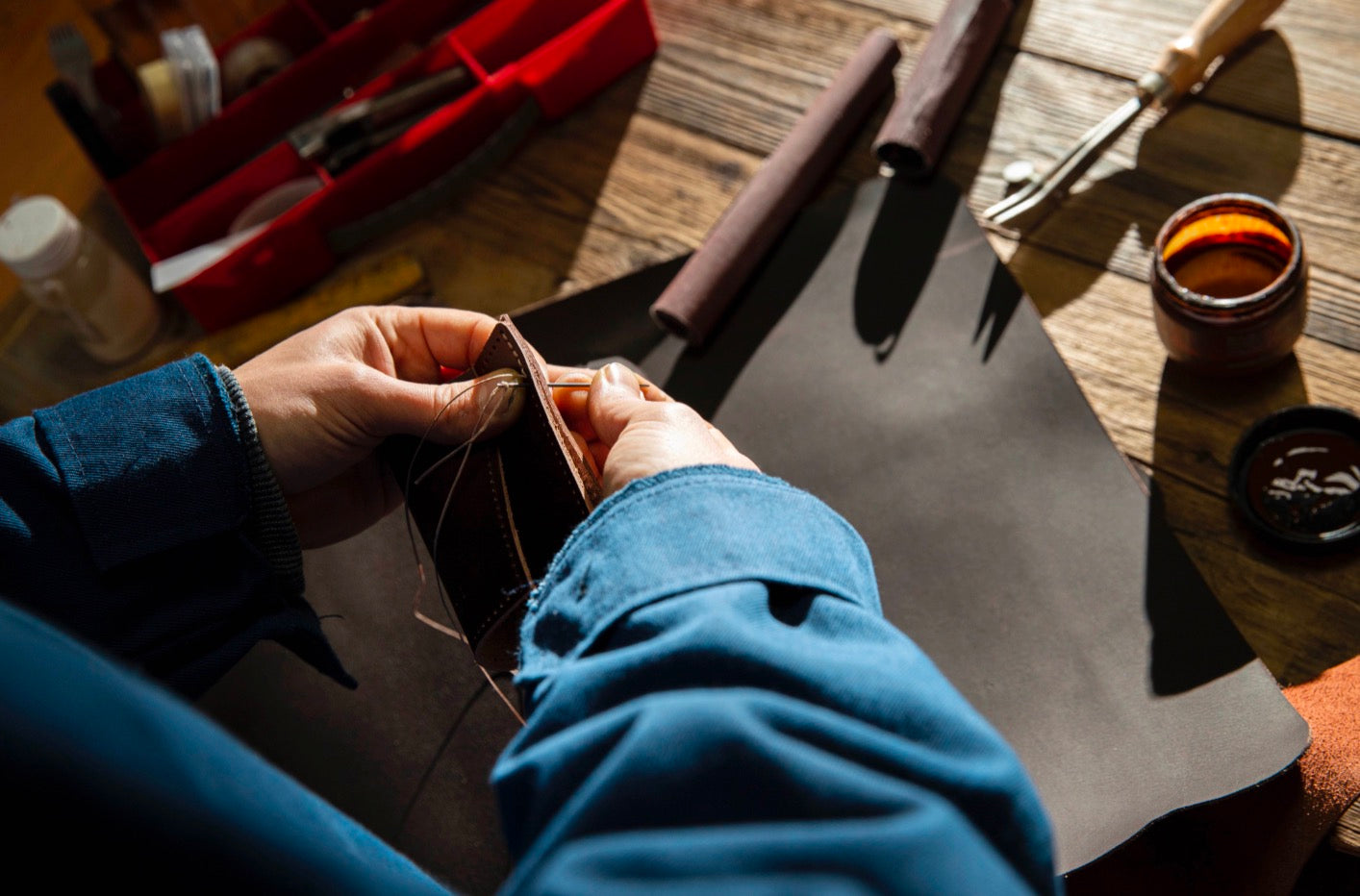
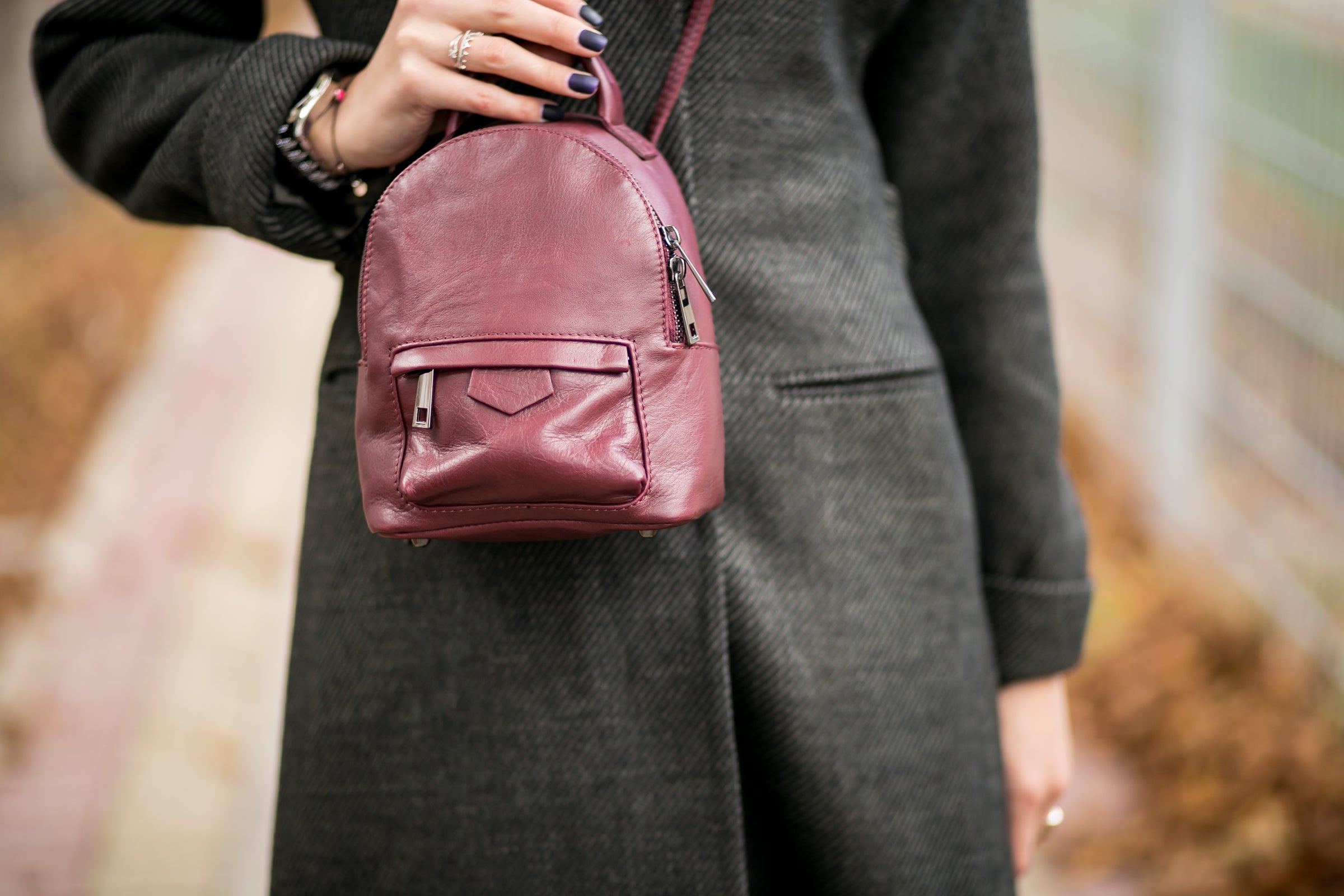
3. How Professionals Use Their Five Senses to Distinguish Leather | Identifying Genuine Leather by Sight, Touch, and Smell
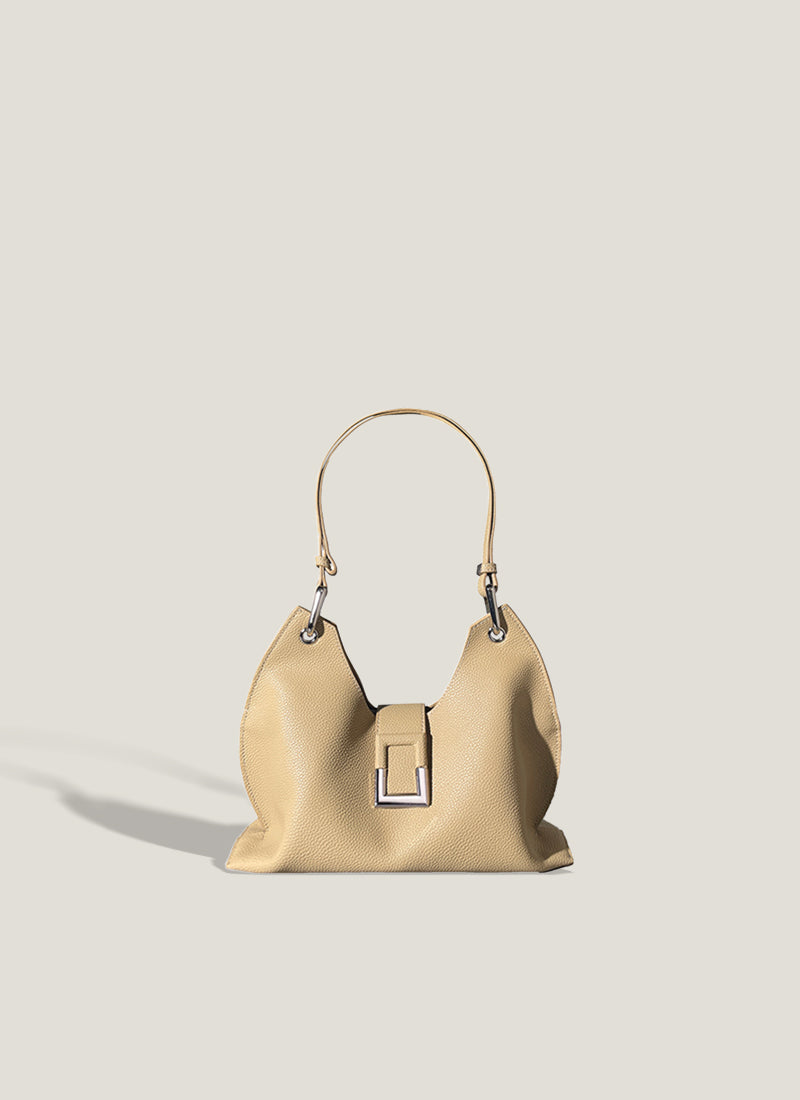
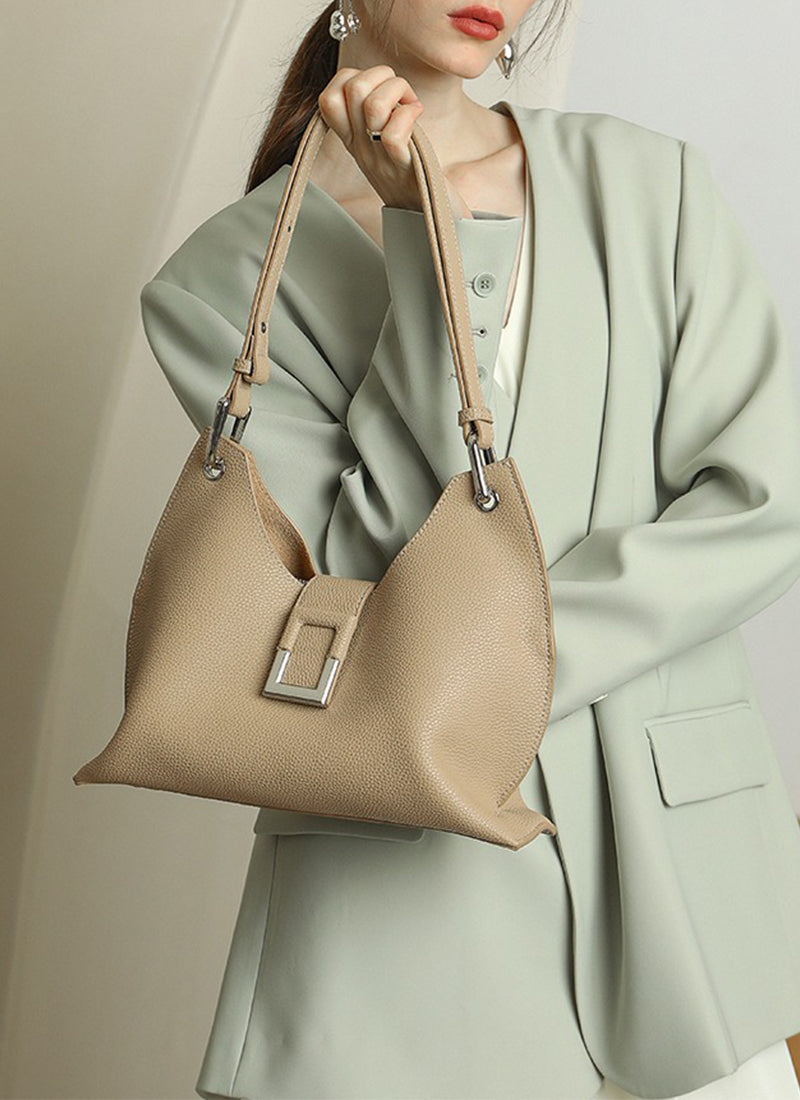




★★★★★ISOLÉ TIMELESS Pebble
Looks expensive.
Very sturdily made and compact.
But it fits everything you need.
The color is a subdued white.
The design is free of unnecessary embellishments, so it can be used in a variety of situations.Stylish and good value for money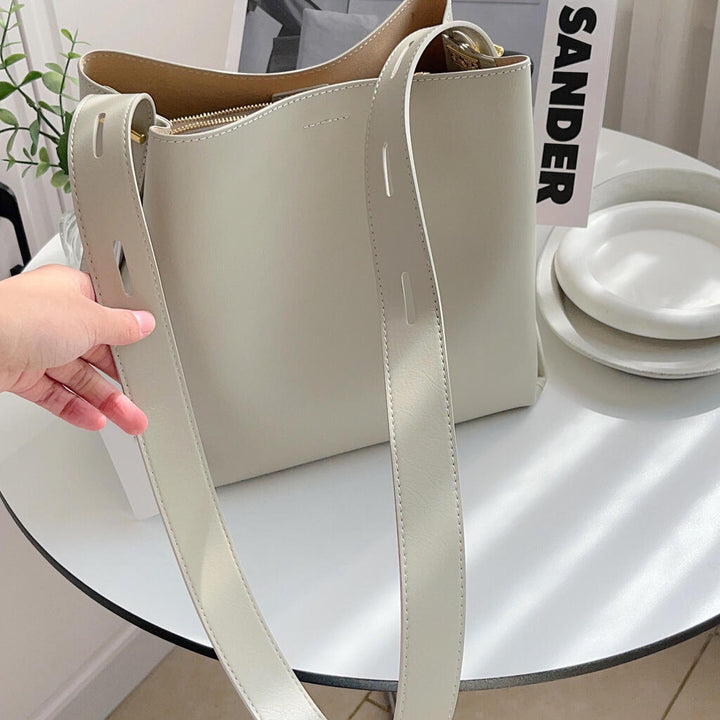 Natsumi
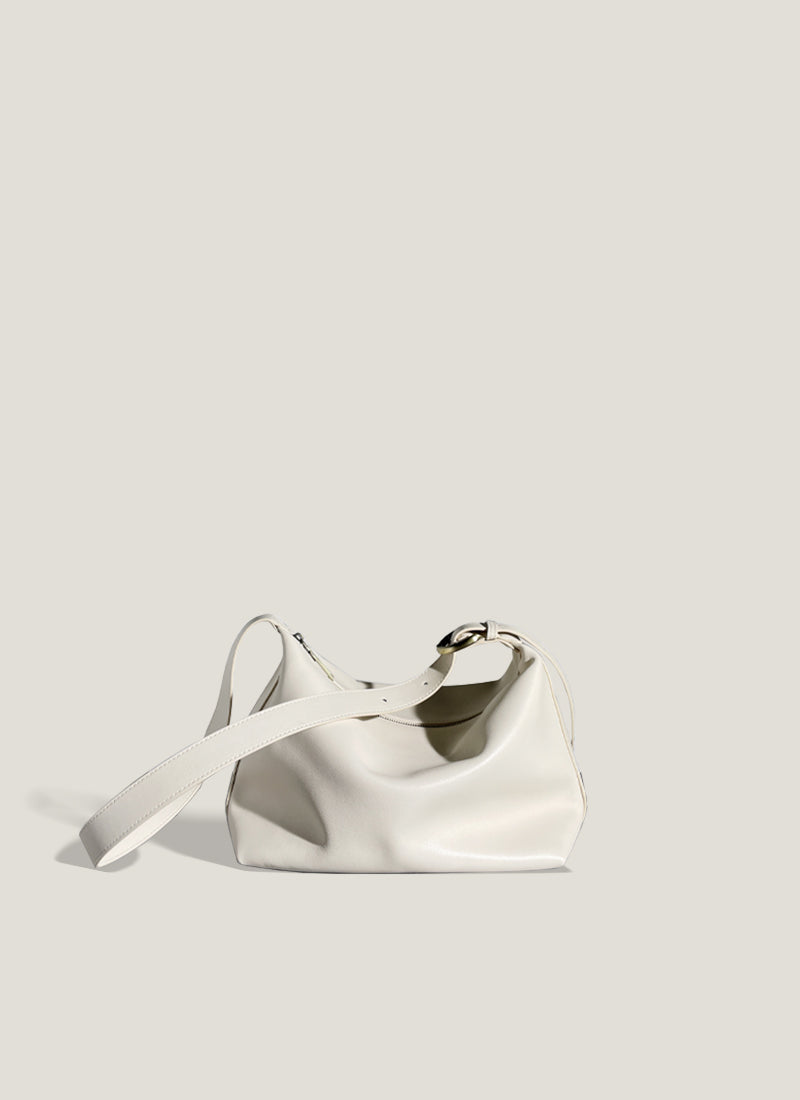
★★★★★ISOLÉ LET IT GO Round Dance
A bag with a simple yet fresh design.
It's well-received at work.
I've just started using it, but so far I haven't had any problems and I'm very satisfied!Better than I expected.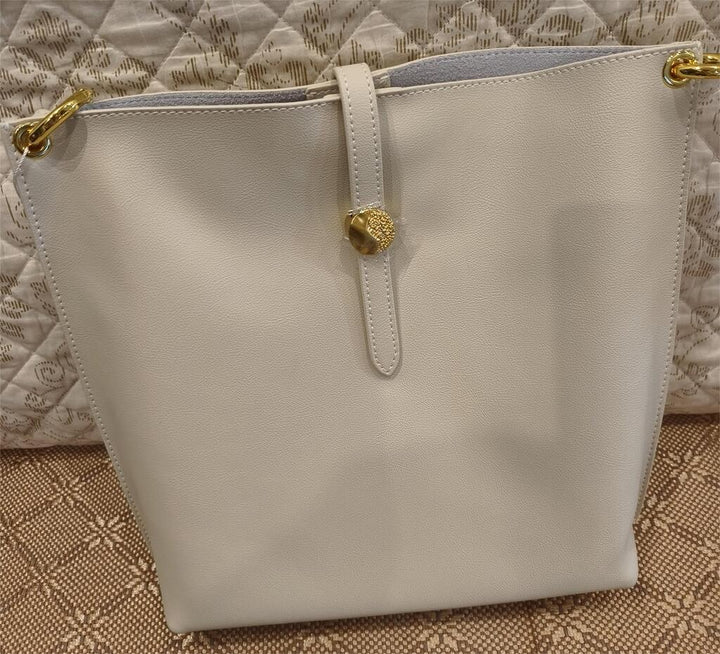 Sachi
Sachi